I want to address a question I was recently asked. After I retired from teaching I enrolled in Photography classes at the local community colleges. Then, I found a fun group of retirees to put my learning into practice. Are these class assignments? No. Lens-Artist Photographers create these challenges weekly. This small group of talented photographers from around the world creates interesting assignments to share. These challenges allow me to revisit and share my images. If you would like to participate weekly in our Lens-Artists Challenge, click here for more info.
Back to this week’s challenge.
Anne asks the question, “Is monochrome black and white? Is black and white monochrome?”
Monochrome
Monochromatic photographs= photographs of one color variations
Most of my monochrome images are straight from the file with little processing, except for this first one. I added a sepia finish.
Found mortar and pestle in an antique shop in Nevada City.
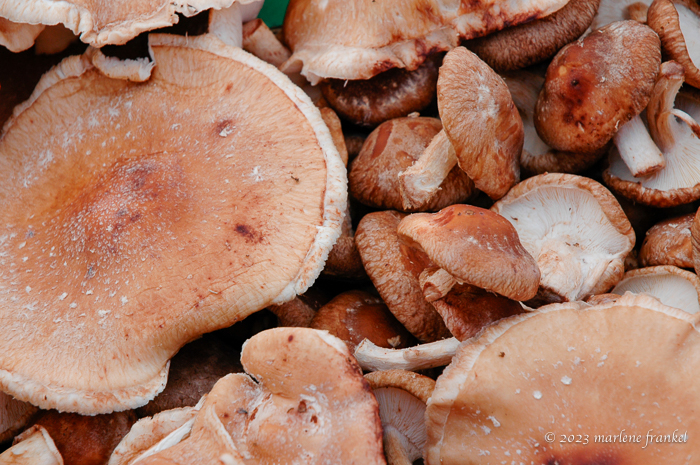
Mushrooms found at a local farmer’s market
Monochromatic nature
Shades of the same color.
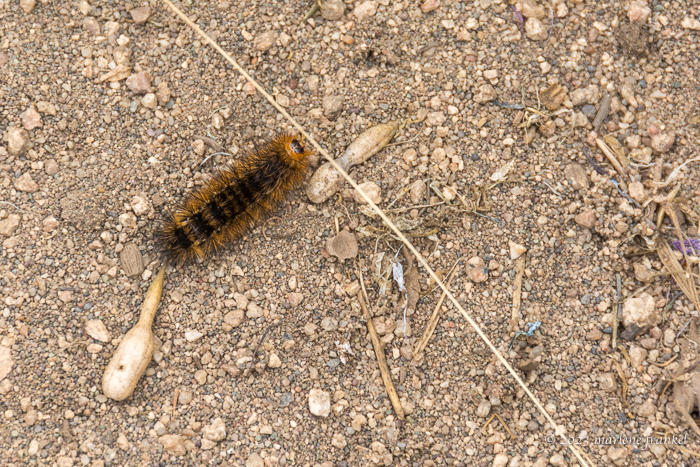
Alligator Lizard finds monochrome useful for camouflage
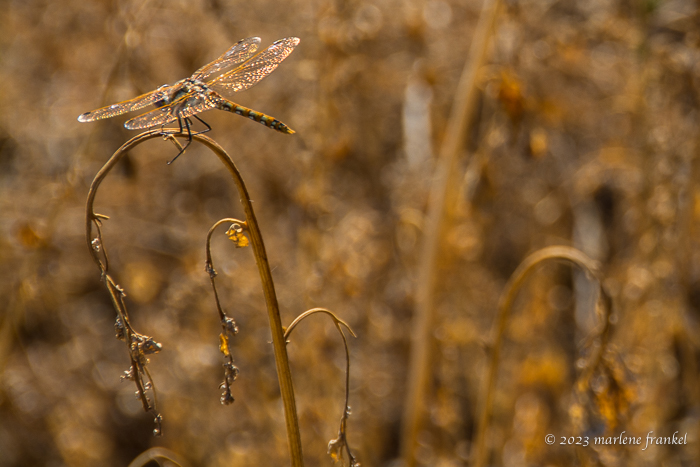
Dragonfly camouflaged
Fiddletown, CA at the Chinese Apothecary
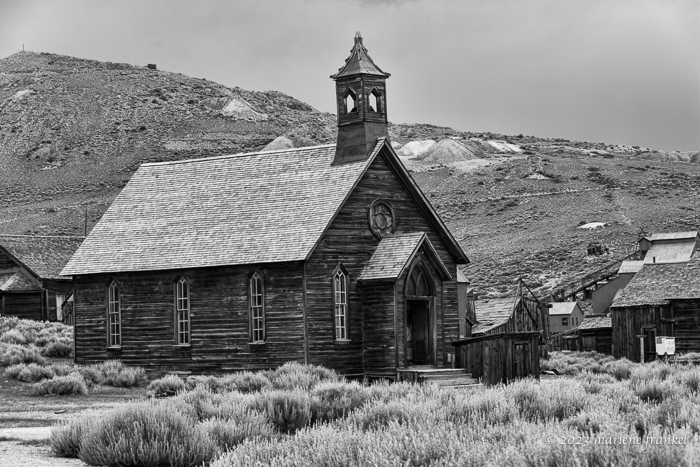
Black & White
Sometimes I can find black & white naturally, but most of my photographs have been processed in either Adobe Photoshop or Topaz plug-ins.
When processing an image for b&w I look for contrast.
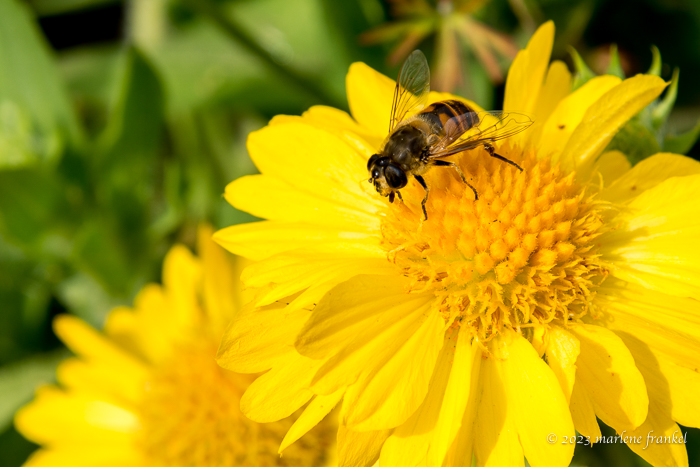
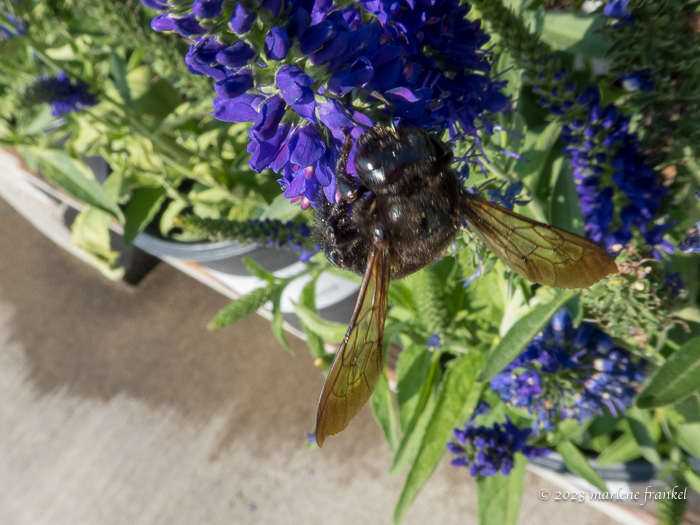
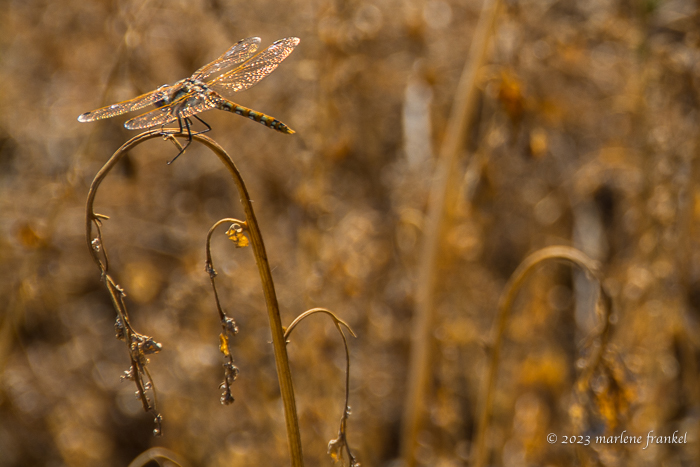
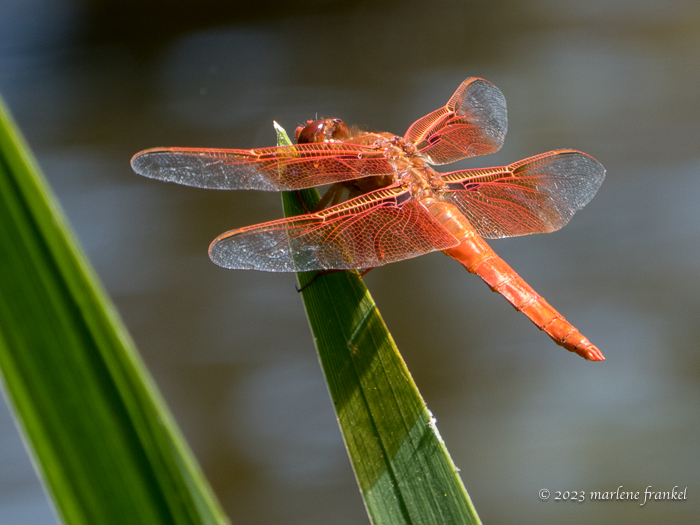
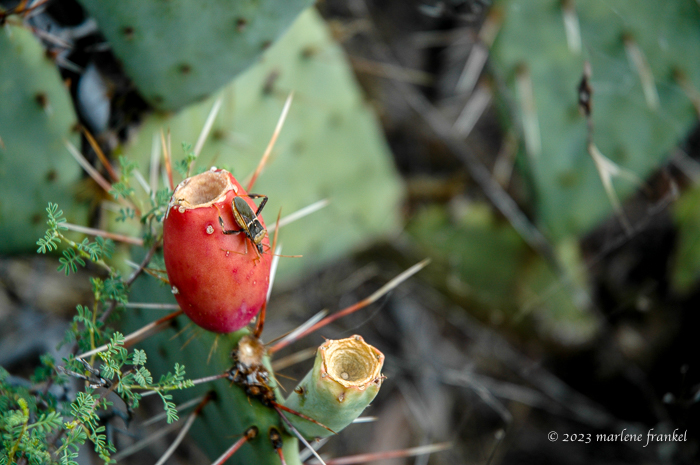
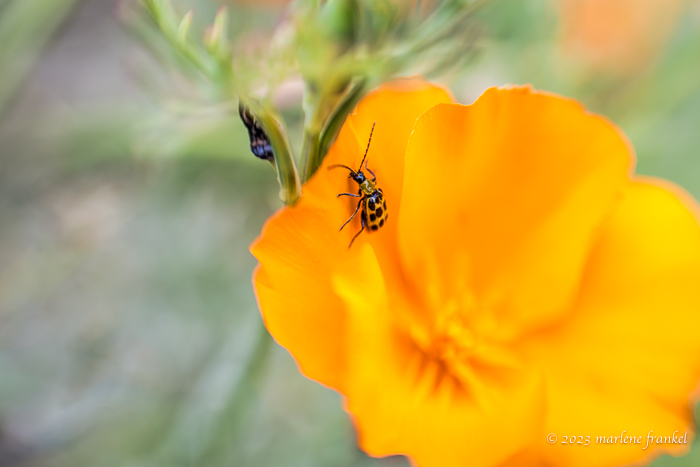
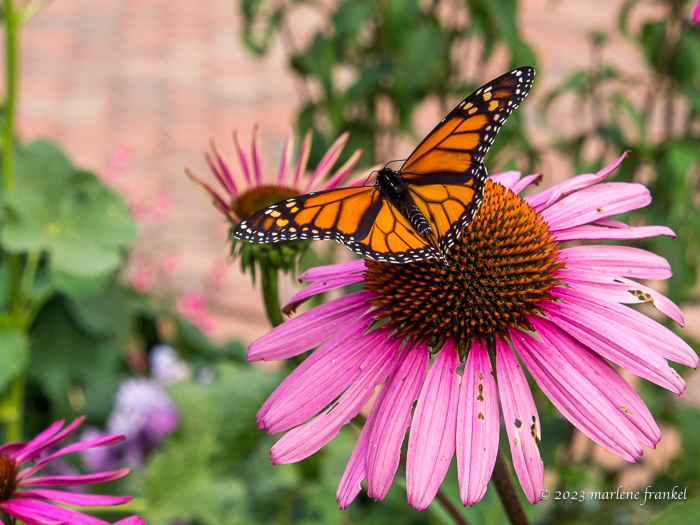
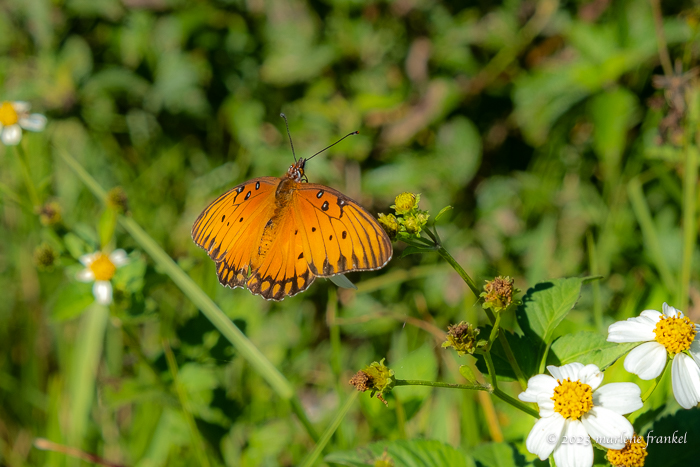
This week, Donna of Wind Kisses is hosting the Lens-Artist Challenge with a focus on, What’s Bugging You? She thinks that the true challenge here is that encounters are rarely purposeful, and bugs are never willing participants. Some will flitter around and finally land on a leaf. Some pollen collectors will ignore the photographer and some will look straight at you.
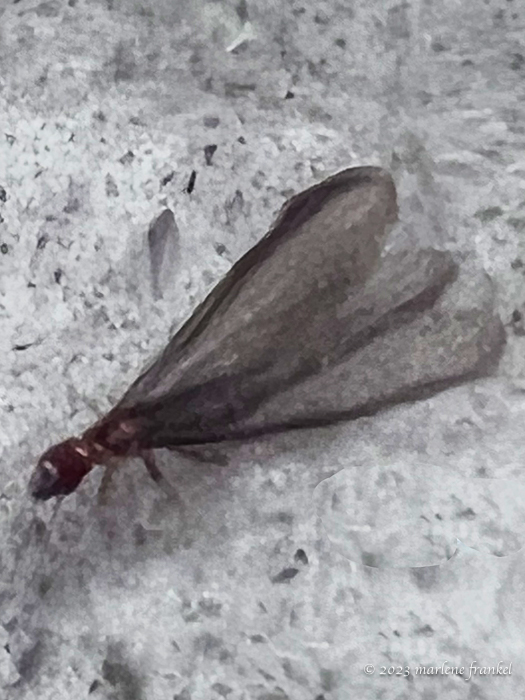
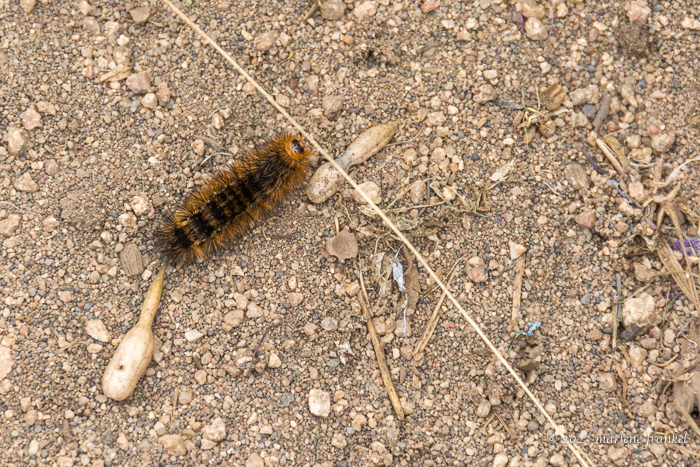
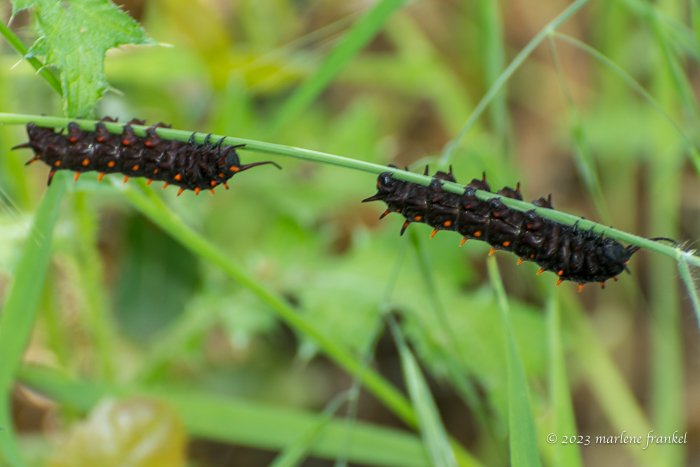
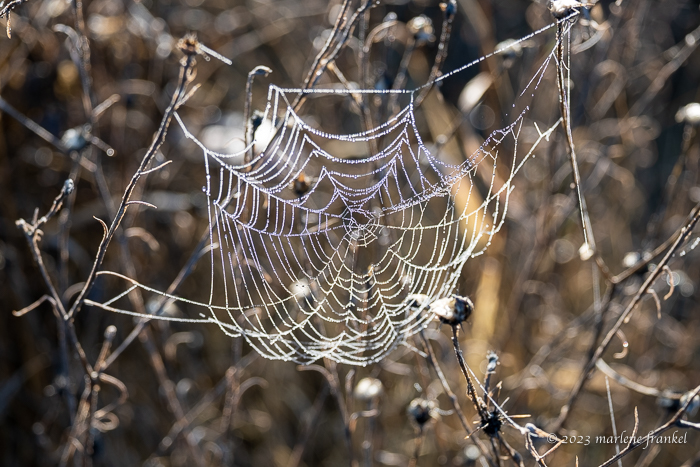
Plenty of things are buggin’ me, but this post is strictly about the ones found in nature. I captured most of these images in California. The arachnids I discovered on The Big Island and in Kauai. All except the first one were found outside of a dwelling. Unfortunately, last night as I sat down to watch television, my Moxie kept looking at the lampshade. And there I discovered a VERY unwanted intruder. I captured it in a jar and took a photograph.
Who is this uninvited intruder?
Now I get to the real purpose of this particular blog. Insects I come across in nature. They are usually found around flowers, and I do appreciate their reason for being. The only one that I did not capture, and I have found no reason for being is the mosquito. In some seasons I appeal to them more often. Other times, I can go a long time before their nasty bite comes along. I am not a fan of putting on insect repellant either.
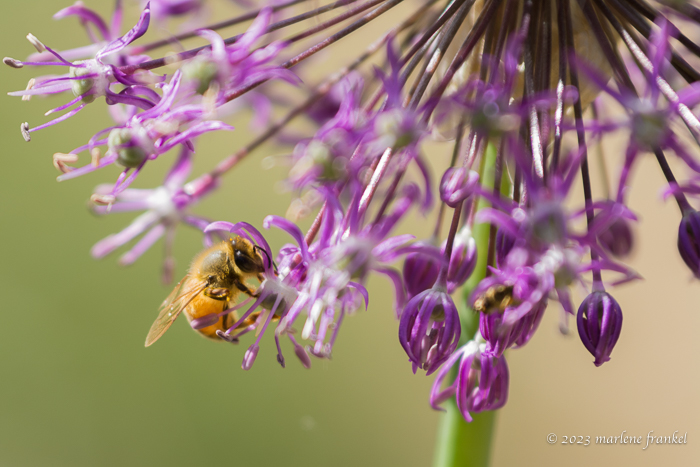
Busy Bees
Photography leads to learning about my images. I did not know the difference between honey bees and bumble bees.
This is the first photograph I sold. It was taken at Effie Yeaw.
Anne (Slow Shutter Speed) challenges me to look for non-domestic animals that live in my neighborhood. I live in Fair Oaks and much of the surrounding wildlife preserves and nature centers Anne has done a wonderful job describing. So I will look in my backyard, mostly.
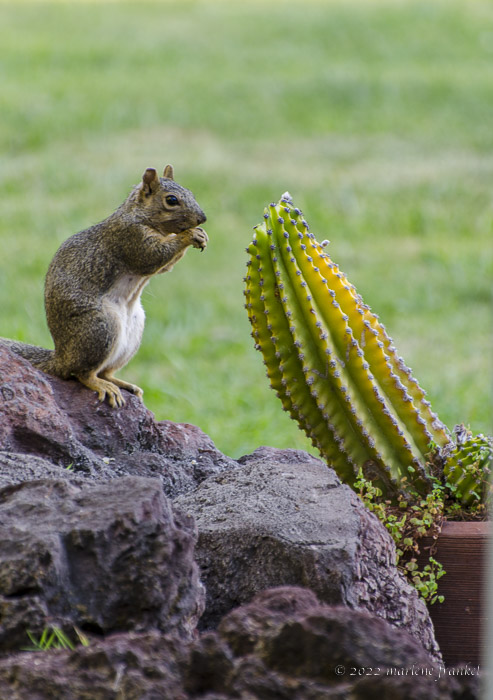
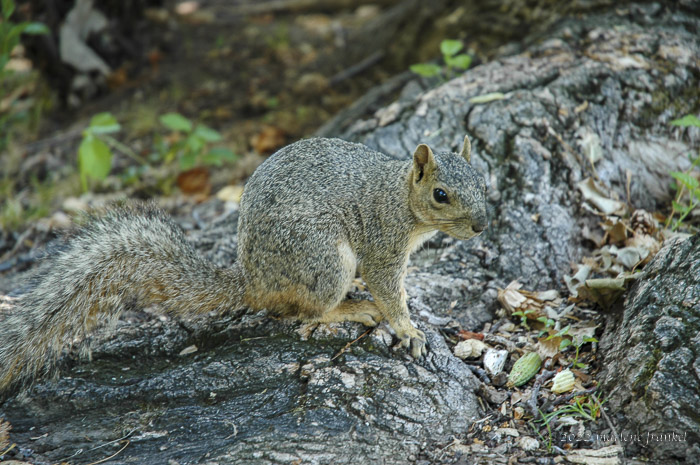
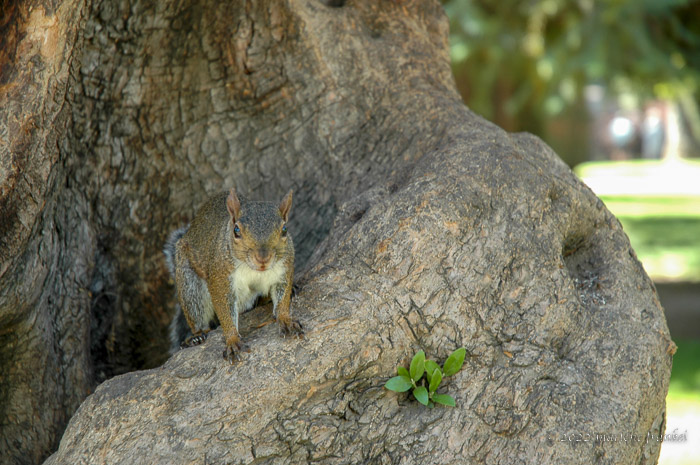
Squirrels
This little guy (not sure of the gender) loved to eat the cactus that I called “Bob & Bea”. Bob and Bea were neighbors who lived across the street and gifted us this plant. One late, late evening I got a call that I had to come right away. I rushed right over for this emergency. This cactus blooms once at night and they didn’t want me to miss it. In my backyard, this plant bloomed over and over. Oh, back to the squirrel. He/she would come every day and eat just a little. Until there was no more plant. At the time I didn’t mind the company.
Effie Yeaw Nature CenterAmerican River CollegeSneaking up on the cactusCapital Park
In my current house, my neighbor’s trees host many squirrels. There is an oak tree, a blackberry bush, and many other tidbits to munch on. But here in my yard, these industrious workers look for places to bury their acorns. My flower pots with their lovely soft soil are perfect. Not so cute when the dirt is dumped out of the pot, or the plants are uprooted. My dog Moxie is fascinated by squirrels. She doesn’t chase them away, she watches them quietly.
Birds
This summer a pair of Spotted Towee birds built a nest in my oleander bushes. I learned to recognize their particular bird call. While enjoying some of the berries I captured this image with my new iPhone 13 Pro.
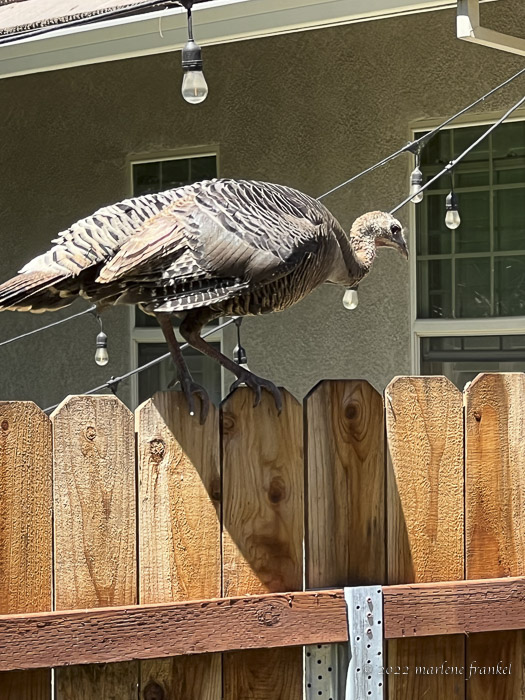
While looking out my window this turkey surprised me.
Insects
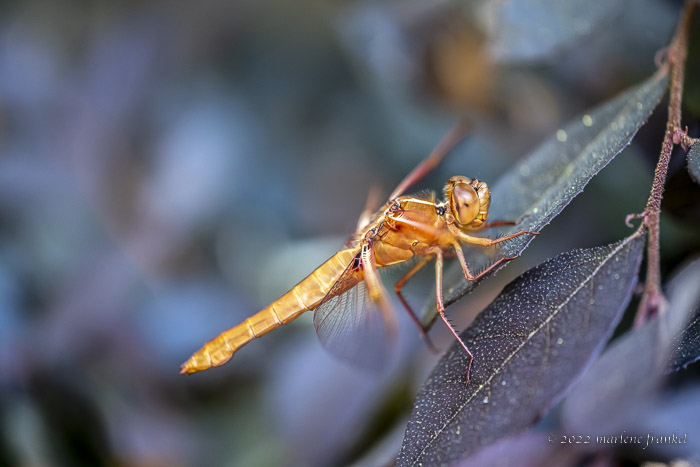
Using my Fuji 80mm macro lens I was able to shoot some visitors to my garden. This dragonfly showed up for his photo shoot on time.
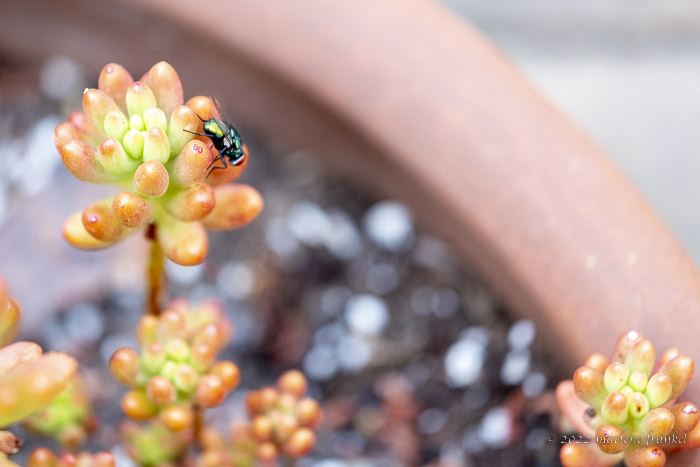
This fly knew it was better to settle outside on my succulent than in my house.
Green Acres Nursery opened up a short distance from my house. Sometimes I will visit with my camera, and sometimes I visit with Moxie. Both are welcome there.
Not quite wild, but unexpected
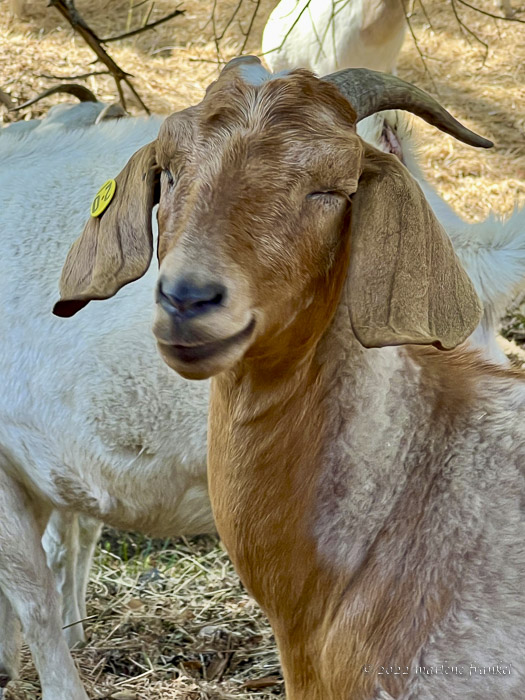
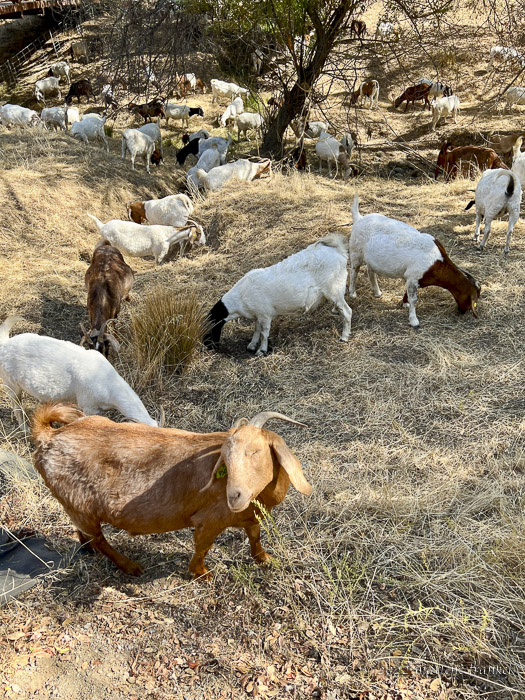
While visiting a local park with my grandson we came across some goats. Goats are used here to clear fields to prevent fires.
Thanks for checking out the local wildlife found in my Fair Oaks backyard and surrounding areas. What animals can you find in your local area if you stop, look and listen? Do any of my animals specifically capture your attention?
As the temperature rises here in Fair Oaks, California everyone is attempting to stay out of the sun. My next challenge comes from Ann-Christine. How do our photographs use light? This time I look for photographs that use shade and shadows.
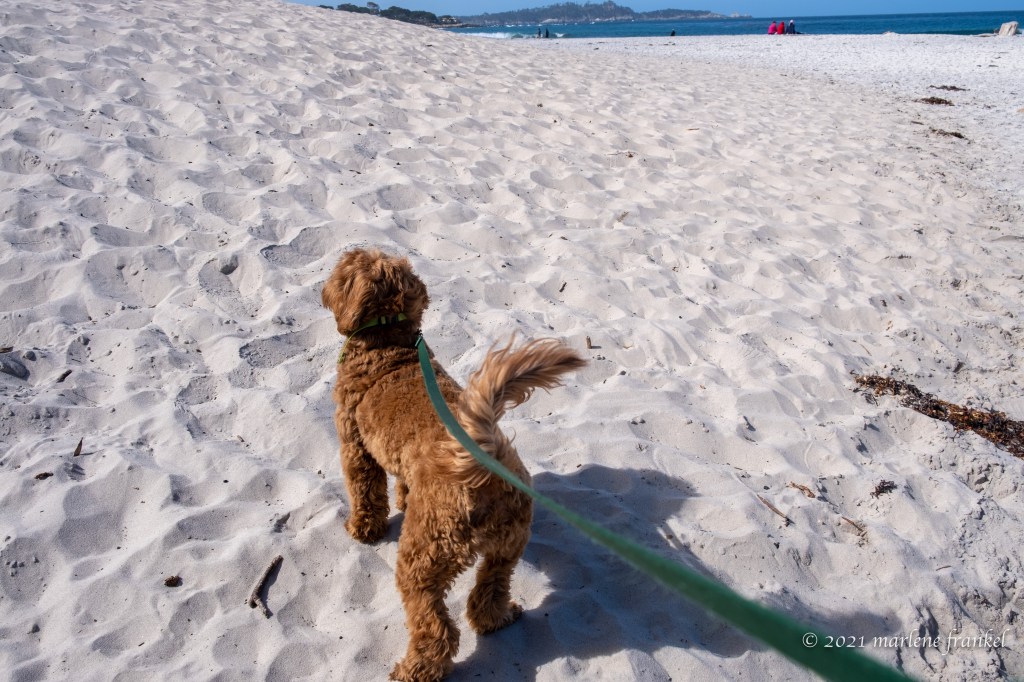
On this sunny beach in Carmel, Charlie’s shadow appears.
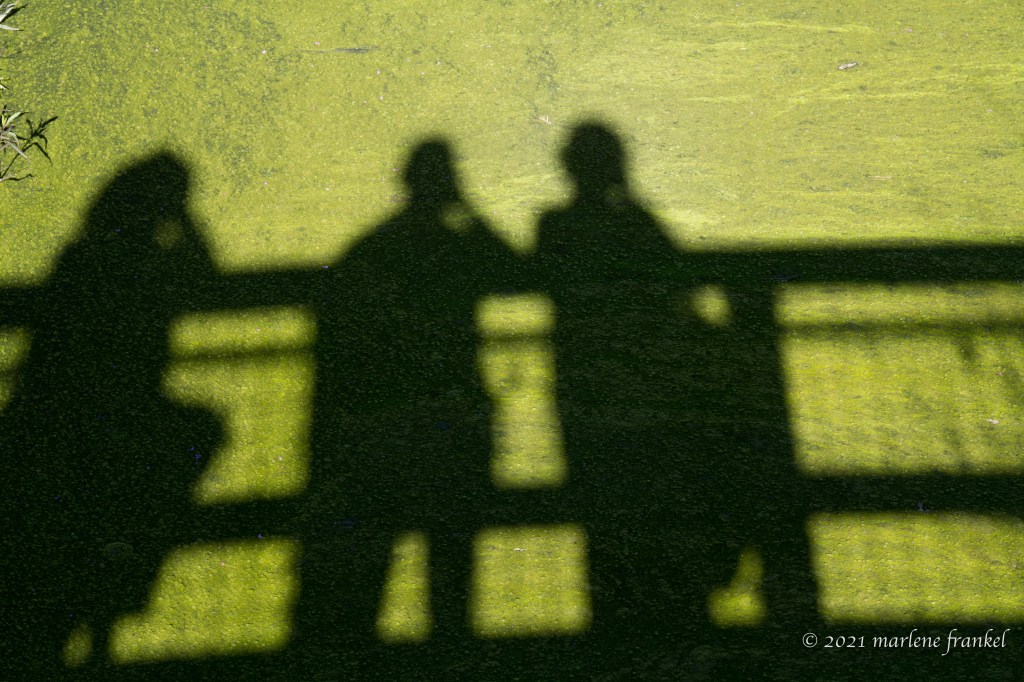
When I am out with friends I like to grab a shadow photograph
Chalk It Up and Me!
We stop for a shadow image on the Island of Kawaii with my photo friends Anne and Laura.
Interesting shadow forms from one leaf to another.
Shadow pattern on the leaf in the shape of a heart! Love it!
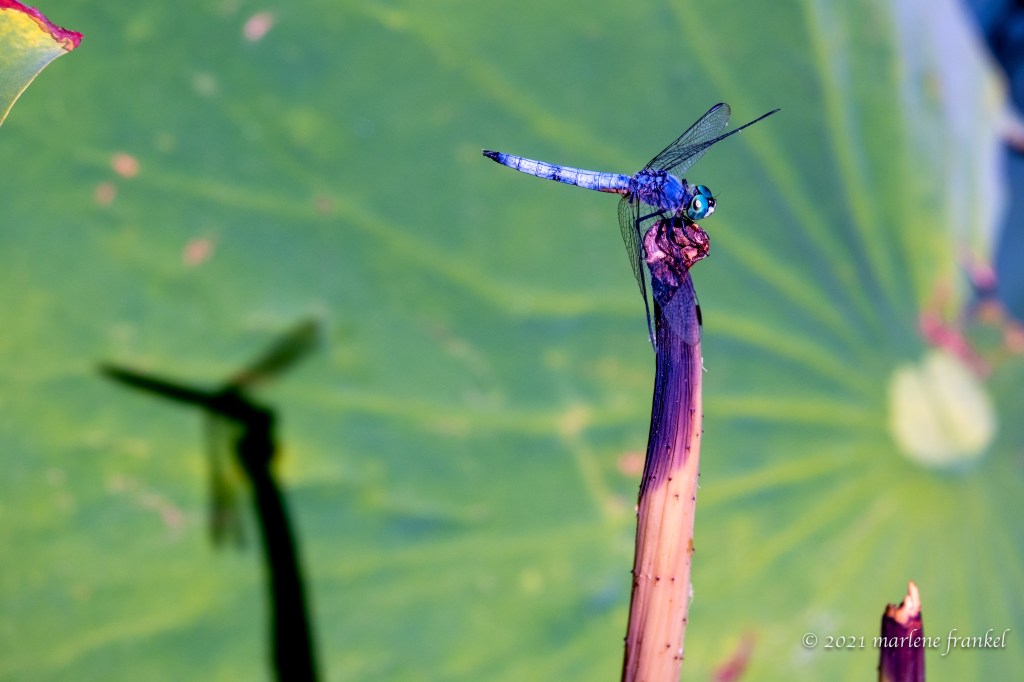
A dragonfly casts a shadow on a lotus leaf!
Looking through my library I notice that I take many more shadow images. But working with some of my images I now see that the contrast of shadow and sun can highlight a subject.
Capturing this golfer from my hotel window, the shadow and sun contrast draws my attention to his swing.
These ducks are framed by the shade.
The shade and sun helps to draw the eye to the subject.I
Thank you for following along in my photographic journey. And if you decide to step into the sunlight be sure to protect your skin.


































 A Photo's Worth