This week’s challenge by Soffia of Photographias, “may look at first a hard one but, in reality, symmetry is everywhere. It’s also not as static a concept as it may seem. Why is symmetry important as a composition tool in photography? It creates strong and balanced images, affecting the way we feel the subject. Our eyes find symmetry harmonious and pleasing.”
After I retired from teaching/librarianship I focused on my photography, and enrolled in many community college classes. There, the role of symmetry was not encouraged. During photo critiques, if a subject was “dead” center, it was pretty much dismissed. I know that there are exceptions to every rule, but I must have taken this one to heart. I had to take a hard look at my collection of photographs to come up with these.
Architecture
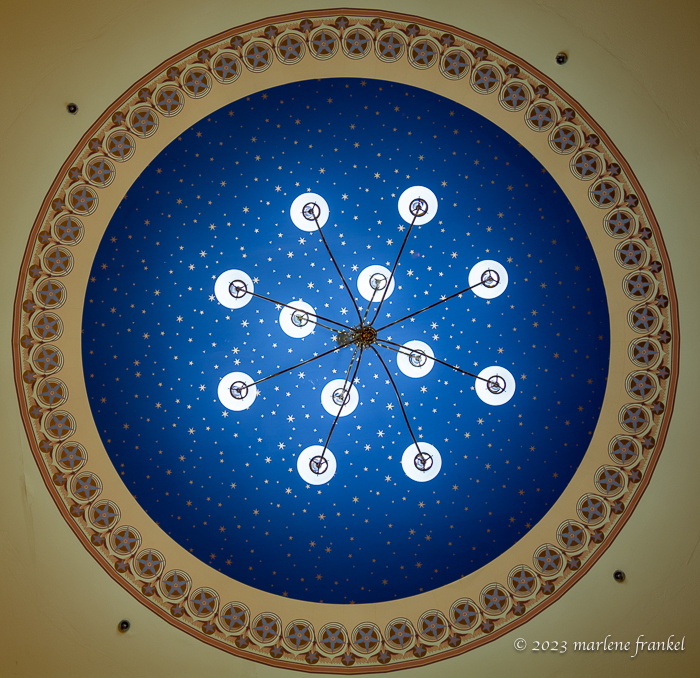
Looking Up @ the California Capital in Sacramento
Looking Up @ the Woodland Opera House
Parking Garage at the Phoenix Airport
Green Doors
West Palm BeachLas VegasOld SacramentoOld Sacramento, Ca.
Looking Up
Landscape
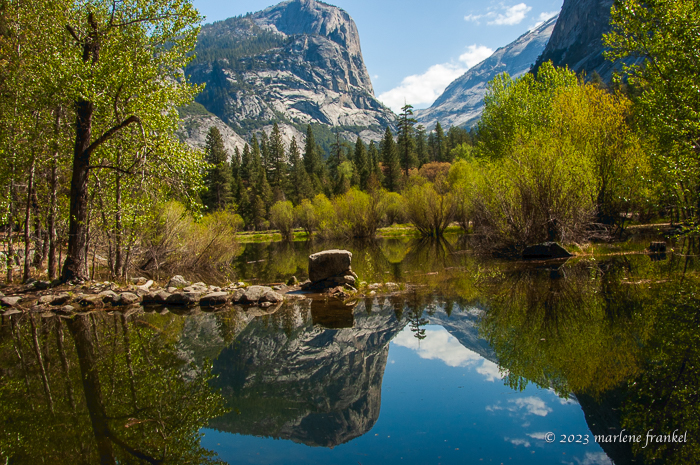
Mirror Lake in Yosemite National Park
Beautiful Sedona @ River Rock Crossing
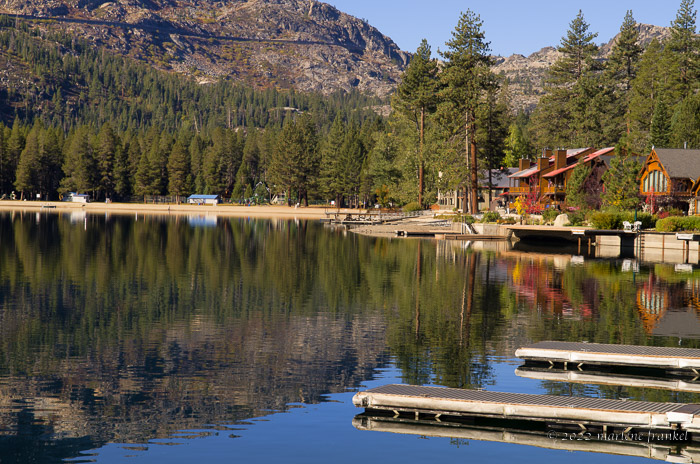
Donner Lake
Animals
Turtles along the edge at UC Davis Arboretum
Reflections
Kitchen Symmetry
Taken at Black Miner Bar on the American River
Empire Mine in Grass Valley
Abstracts & Decorations
Symmetrical Pareidolia
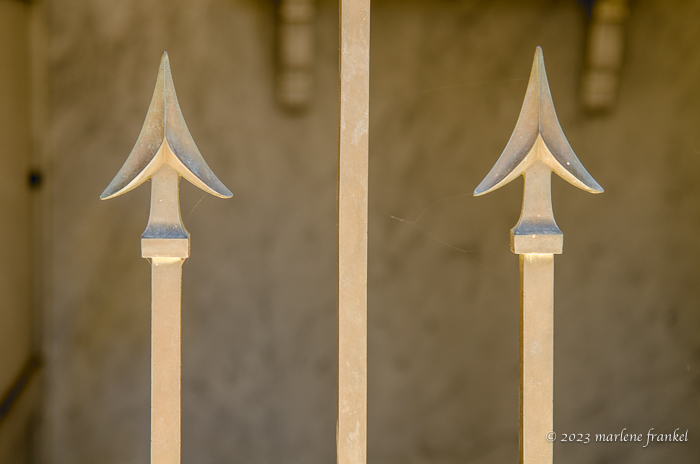
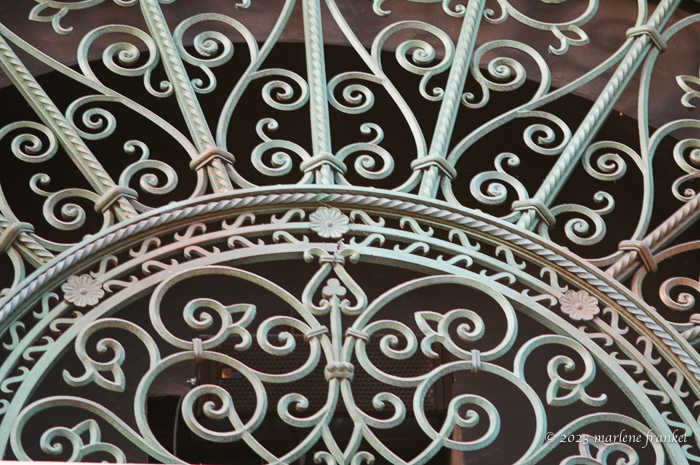
Ornamental Parts
I hope you like my photo selections that may have received some critique in my photography classes. I’ll await your decision.
Maybe, it’s good to look at some symmetry as the world spins in its chaos! Stay safe, and take time to breathe!
This week Bren challenged me to use processing magic in my photographs. I am particularly pleased with this push to use more of the features in my Adobe Lightroom Classic software. It has been a while since I left my college classes. I enjoy photography, and I have gotten comfortable with my camera. I must say that I often rely on the same settings and processing steps. So I want to thank Bren for showing me what I have been missing. Now I know what masking and clarity can do for my images.
There are so many advances to this program. Today it was fun to try using masking to either bring down the clarity or increase clarity to highlight the subject. This technique can be applied to flowers, landscapes, and architecture. Lowering the clarity and creating softness in those areas frames the subject in an image, be it a tree, path, bridge, even a door or house, or just a dreamy-looking image.
In these photographs the difference is subtleAlong with changing the clarity I also changed the background lightingI took this photograph in Bodie, Ca.
My pareidolia is playing tricks again. Can you see what I see in the following photograph?
With this technique, I am able to improve my photographs.. But mostly I use i my macro lens or I choose a large aperture to decrease my depth of field and try and set my subject apart from the background.
I hope that you enjoyed my blog post, and again thanks Lens-Artists.
This week Amy (The World is a Book) has challenged me to go to the mountains, and so I shall. Traveling has been limited to Sacramento lately. Not exactly sure why. But these photo challenges gives me a good reason to check out my library. The highest mountain I ever visited was the Himalayas when I visited Nepal in 1965. At the time Kathmandu had traveler restrictions, and two small hotels. The Royal Nepal Airline had 3 planes, not a modern jet plane. We traveled between the peaks. A pretty scary ride. But alas I don’t have any photographs. Sacramento is located two hours from the Sierras and Lake Tahoe. Heading east Donner Lake is a beautiful, quiet stop.
Donner Lake in the fall
Donner Lake in the winter
Yosemite in the Sierras
Yosemite
A weather change as I leave Yosemite
Flying over the Sierras
Outside Bodie located in the eastern Sierras. Do you see what I see?
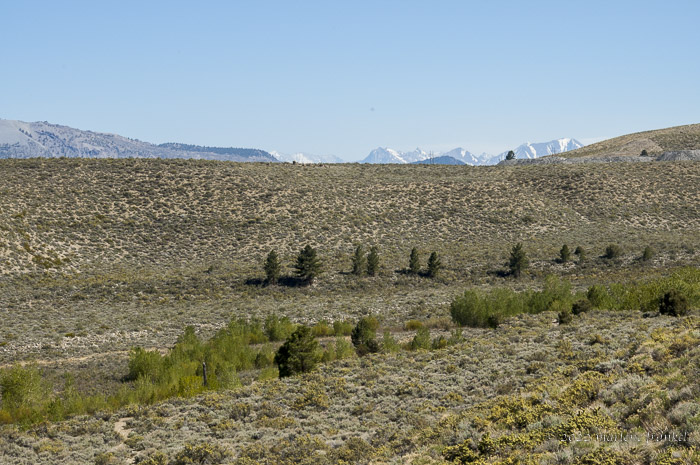
Bodie California – the Sierras in the distance
Heading east the Sutter Buttes make for a rural landscape.
Northern California’s Coast range provides many photo opportunities just as long as there is a place to pull over. Otherwise commuter traffic makes this prohibitive.
Stopping on this winding road between Livermore and San Jose. Anne will always remember this drive!
For this week’s challenge, Patti (P.A. Moed-Exploration in Words and Pictures) asks us to explore what professional photographers call “working a shot.” What does that mean? Photographers pick a subject (a place, an object, a person, for instance) and take a variety of photos–by zooming in on the details or stepping back for a wider view. They also vary the angle of the shot–looking up or down or even sideways. They might walk around the subject to get a unique view.
Why? This method can help us discover the best way to capture the subject. And I agree that taking time and changing perspectives improves my photography.
An abandoned dock at the Berkeley Marina is the subject. First I create a frame for the dock. Then I move closer. I get closer still, creating a leading line with the dock. The seagull adds a bit of interest.
Getting closer
Color provides the subject matter for my images taken at a casino restaurant in Las Vegas. This ceiling really caught my attention, and I spent some time photographing it from many perspectives. I don’t know which one I favored.
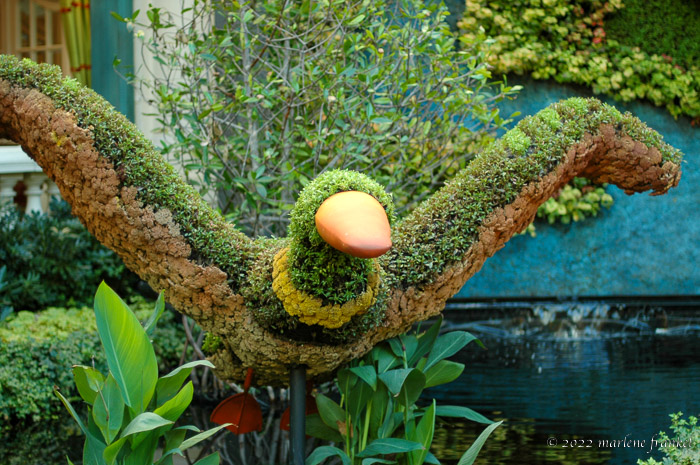
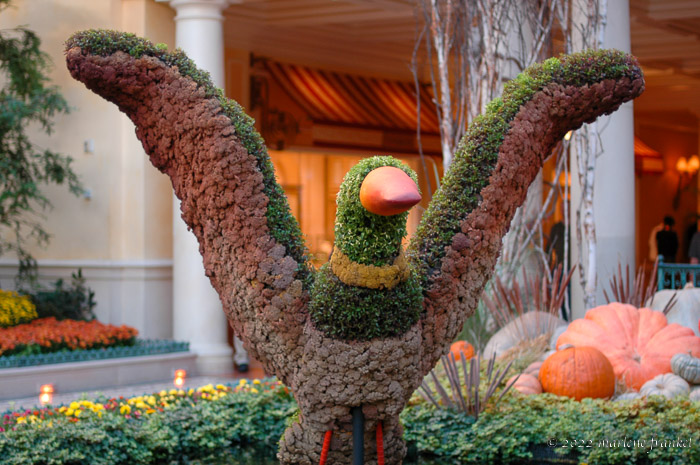
I found this topiary display at Bellagio Las Vegas. With a fall-inspired nonmoving subject, I could take photographs from many angles. Which one is your favorite?
Taking flight
Wait for me!
Happy Landing
While visiting my parents in Sun City West, Arizona I wandered around with my Nikon d7100 camera. Plenty of downtimes when it is hot, and my retired parents are resting.
Fence
Golf Course. Golf ball, keep out!
Backyard view
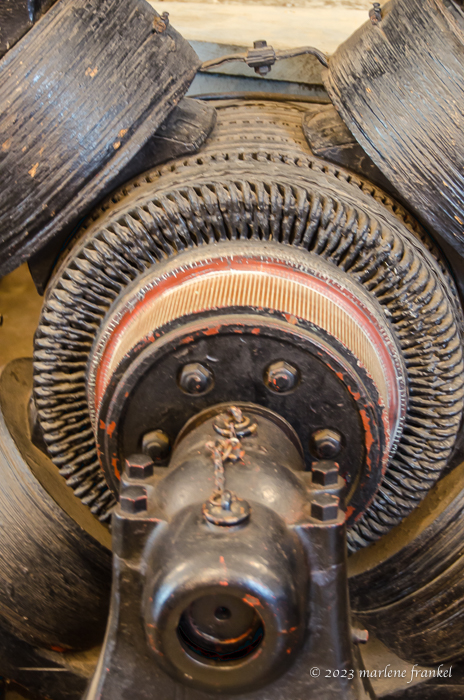
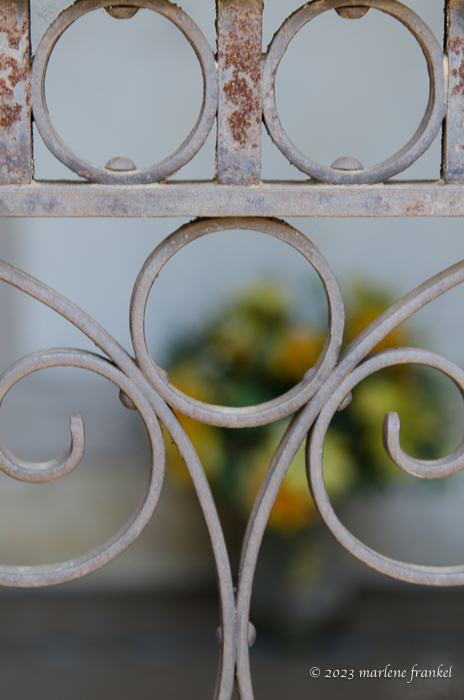
Images of rusty things, gears, and machinery are often subjects of mine. Using different f-stops and focusing on different parts make for interesting photos. My last photograph fits my idea of pareidolia.
Gears
Round About
Do you see a face?
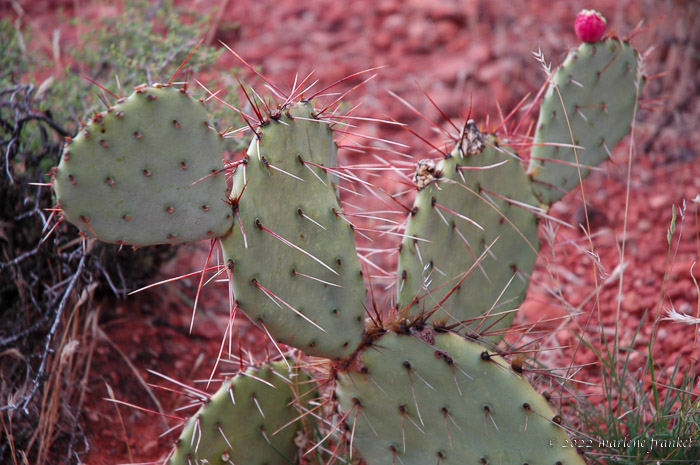
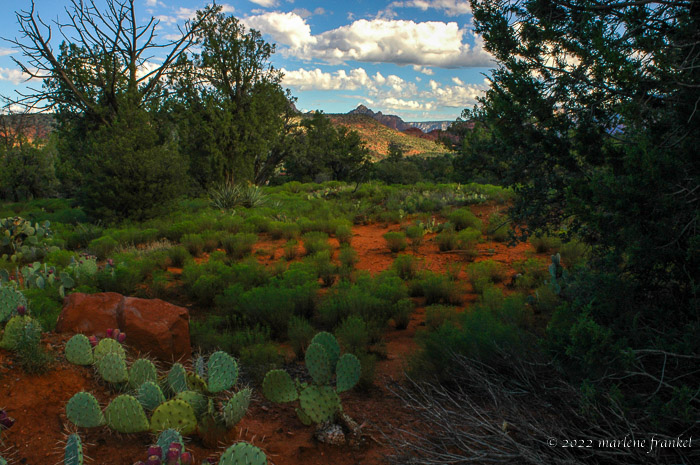
Found this beetle on a cactus in Sedona, Arizona. When I stepped back the cactus reminded me of Mickey Mouse ears. Walking away, the landscape called for another look resulting in a wonderful landscape of the desert.
What kind of beetle is this?
Mouse ears
Sedona Desert
This last image of a California poppy compliments my banner image. Often I like the backlit look when I take photographs of flowers and foliage.
Backlit California Poppy!
The one thing most of these images have in common when it comes to looking at life from different perspectives is that most objects did not move. My fast-moving Moxie would be another story. Stop, slow down, and look at life from different angles! You may be surprised!
























 A Photo's Worth